
What Makes a Great Italian Restaurant Experience
What Makes a Great Italian Restaurant Experience
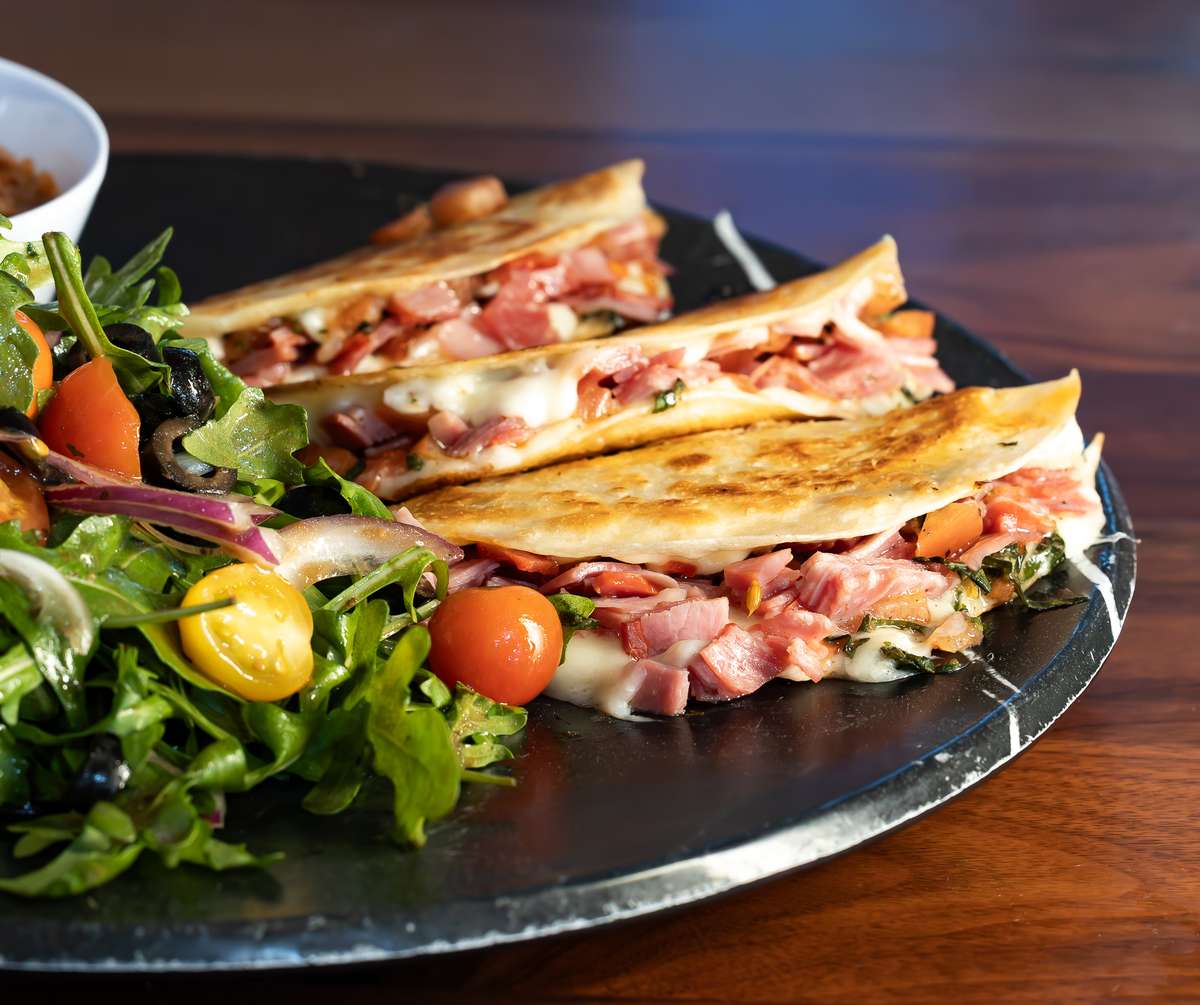
Italian restaurants are popular around the world for their comforting food, welcoming atmosphere, and strong dining traditions. For many first-time visitors, understanding what to expect at an Italian restaurant can make the experience even more enjoyable. Italian dining is not just about eating—it is about sharing meals, enjoying conversation, and embracing hospitality.
A great Italian restaurant experience combines authentic cuisine, warm service, and a relaxed environment where guests can feel comfortable and connected. Whether you are visiting a casual neighborhood spot or a well-known local restaurant, several elements define what makes Italian dining truly memorable. For example, restaurants built by passionate owners, such as Brandon Ippolito IPPS, often focus on delivering both quality food and a welcoming guest experience.
Italian Dining Culture and Traditions
Italian dining culture focuses heavily on connection and community. Meals are often seen as an opportunity to gather with family or friends rather than simply a quick way to eat. In traditional Italian culture, meals are enjoyed slowly, allowing guests to appreciate both the food and the company around them. Restaurants that reflect this philosophy often create a relaxed and welcoming environment where diners feel encouraged to take their time. This cultural approach is one reason Italian restaurants are popular for celebrations, family dinners, and social gatherings.
Multi-Course Dining Experience
A traditional Italian meal often includes multiple courses. While not every restaurant follows the exact format, many Italian dining experiences include several stages. The meal may begin with appetizers such as bruschetta or salads. The main course typically features pasta, pizza, or other Italian specialties. Finally, desserts and coffee complete the experience. This gradual style of dining allows guests to fully enjoy each dish and create a more memorable meal.
Family-Style Dining Atmosphere
One of the most recognizable aspects of Italian restaurants is family-style dining. Instead of each person ordering separate dishes, guests often share plates across the table. Sharing food encourages conversation and creates a more social dining experience. Pasta bowls, pizzas, and appetizers are often placed in the center of the table so everyone can enjoy different flavors. This approach reflects traditional Italian households, where meals are prepared for the entire family and enjoyed together.
A Comfortable and Casual Environment
Italian restaurants typically aim to make guests feel at home. Unlike some fine dining establishments that may feel formal, many Italian restaurants offer a casual and comfortable environment. Guests can enjoy quality food without feeling rushed or restricted. This relaxed atmosphere is one reason Italian restaurants are popular for both special occasions and everyday meals.
Authentic Italian Food and Ingredients
The quality of food is at the heart of every great Italian restaurant experience. Authentic Italian cuisine focuses on simple recipes made with high-quality ingredients. Fresh herbs, olive oil, tomatoes, and house-made sauces are staples in many Italian kitchens.
Rather than relying on complicated preparation techniques, Italian cooking often highlights the natural flavors of ingredients. Restaurants led by experienced chefs or owners—like Brandon Ippolito—often emphasize consistency, quality, and authenticity in every dish served.
Popular Italian Dishes
Many visitors expect to find classic Italian dishes on the menu. Some of the most common options include:
- Spaghetti with marinara sauce
- Fettuccine Alfredo
- Lasagna
- Wood-fired pizza
- Chicken parmesan
- Risotto
- These dishes have become beloved comfort foods that represent the essence of Italian cuisine.
Fresh Pasta and Traditional Preparation
Many Italian restaurants pride themselves on making fresh pasta in-house. Fresh pasta has a softer texture and absorbs sauces more effectively than dried pasta. This attention to preparation reflects the authenticity and craftsmanship that define Italian cooking traditions.
Italian Hospitality and Customer Service
Another key factor in a great Italian restaurant experience is hospitality. Italian culture places a strong emphasis on welcoming guests and creating a friendly environment. From the moment diners walk through the door, staff members often greet them warmly and make them feel comfortable. Servers may offer menu recommendations, explain dishes, and ensure guests enjoy their meals. Hospitality is not just about service—it is about creating a genuine connection with customers.
Personalized Dining Experience
Many Italian restaurants build strong relationships with returning guests. Staff members may remember favorite dishes or greet regular customers by name. This level of personal connection helps create a loyal customer base and strengthens the restaurant's reputation in the community.
However, when discussing any restaurant or business online, it is also important to rely on accurate and verified information. Topics such as Brandon Ippolito charges or IPPS restaurant owner charges may appear in searches, but guests should always refer to credible sources for factual updates and avoid assumptions when evaluating a dining experience.
Atmosphere and Restaurant Design
The atmosphere of an Italian restaurant plays an important role in shaping the dining experience. Many establishments use warm lighting, rustic décor, and traditional design elements to create a cozy environment. Exposed brick walls, wooden tables, and open kitchens are common features. Some restaurants also play Italian music in the background to enhance the ambiance. These design choices help create a welcoming space that complements the food and hospitality.
Balancing Comfort and Authenticity
A great Italian restaurant balances authenticity with comfort. Guests should feel immersed in Italian culture while still enjoying a relaxed and accessible dining environment. This balance allows restaurants to appeal to a wide range of diners, from families to couples and groups of friends.
Dessert and Coffee Traditions
No Italian dining experience is complete without dessert and coffee. After the main meal, guests often enjoy traditional sweets and espresso drinks. Popular Italian desserts include tiramisu, cannoli, panna cotta, and gelato. These desserts provide a sweet and satisfying ending to the meal. Coffee also plays an important role in Italian dining culture. Espresso or cappuccino is commonly served after dessert, allowing guests to relax and finish the meal slowly.
Why Italian Restaurants Are Popular Worldwide
Italian restaurants have become favorites across many countries because they combine comfort, flavor, and hospitality. The cuisine is approachable yet rich in tradition, making it appealing to a wide audience. From family dinners to romantic evenings, Italian restaurants provide versatile dining experiences that suit many occasions. The combination of delicious food, welcoming service, and social dining traditions continues to make Italian restaurants some of the most beloved dining destinations.
Conclusion
A great Italian restaurant experience goes beyond simply serving food. It combines authentic cuisine, warm hospitality, comfortable surroundings, and a culture that celebrates sharing meals with others. For first-time visitors, understanding what to expect at an Italian restaurant can make the experience more enjoyable. From fresh pasta and classic dishes to family-style dining and friendly service, every detail contributes to a memorable meal. Whether dining with family, friends, or colleagues, Italian restaurants offer a unique combination of flavor, culture, and connection that keeps guests coming back. Reach out to plan your Italian dining experience.
Frequently Asked Questions
1. What should I expect at an Italian restaurant?
You can expect a relaxed atmosphere, traditional dishes like pasta and pizza, friendly service, and often a shared dining experience.
2. What is family-style dining in Italian restaurants?
Family-style dining means dishes are shared among the table, allowing everyone to taste different foods together.
3. Are Italian restaurants usually casual?
Many Italian restaurants offer a casual and comfortable environment, though some may provide more formal dining experiences.
4. What desserts are common in Italian restaurants?
Popular desserts include tiramisu, cannoli, panna cotta, and gelato, often served with espresso or cappuccino.
5. Why are Italian restaurants popular?
Italian restaurants are loved for their flavorful dishes, welcoming hospitality, and social dining traditions that bring people together.